Publications
Publications
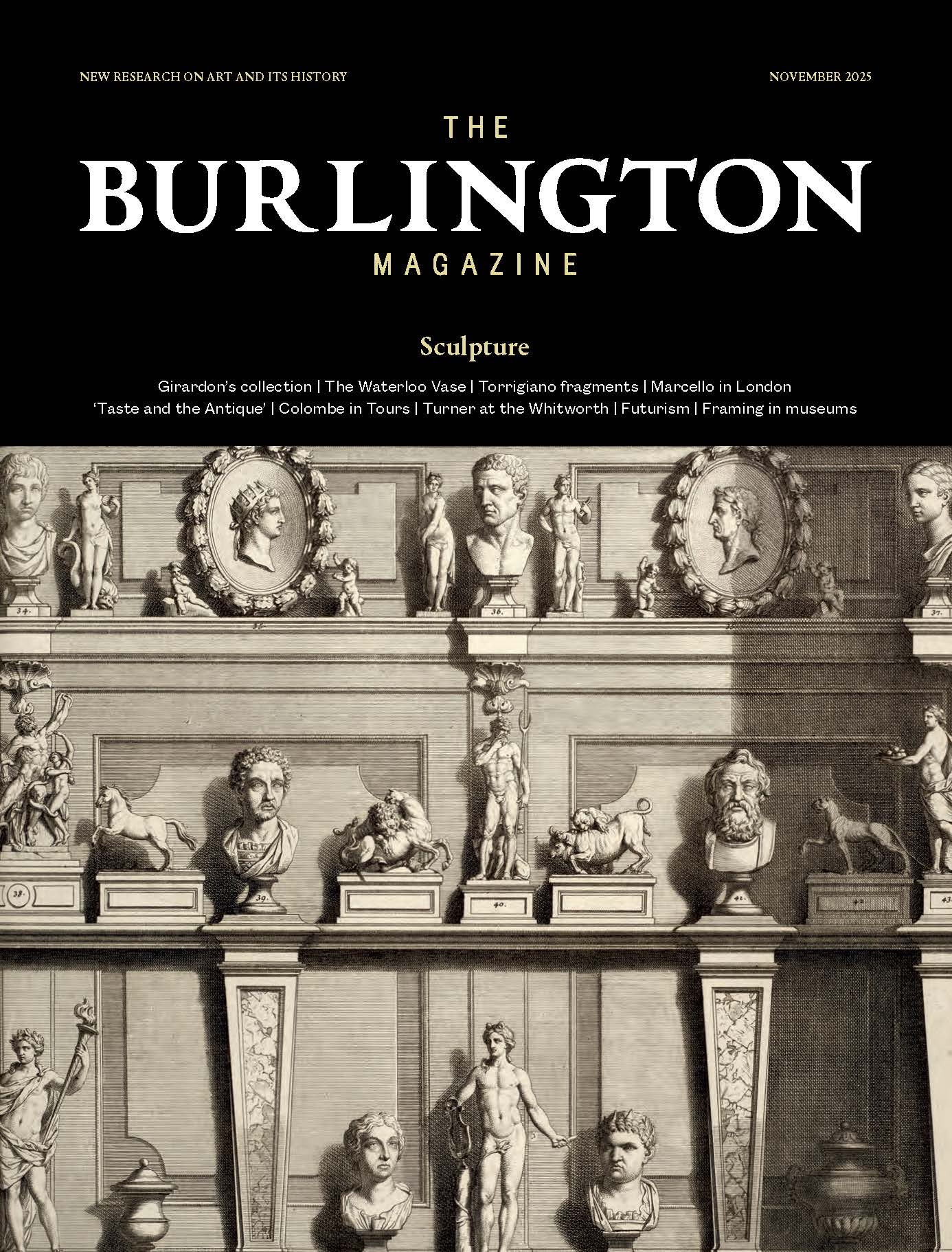
'La Galerie de Girardon revived - Six lost works
from the Girardon Collection in Hôtel Bondy',
The Burlington Magazine, no. 1472, vol. 167, (November 2025), pp. 1096-1107.
'La Galerie de Girardon revived - Six lost works from the Girardon Collection in Hôtel Bondy', The Burlington Magazine, no. 1472, vol. 167, (November 2025), pp. 1096-1107.
'La Galerie de Girardon revived - Six lost works from the Girardon Collection in Hôtel Bondy',
The Burlington Magazine, no. 1472, vol. 167, (November 2025), pp. 1096-1107.
The article traces six previously “lost” sculptures
from François Girardon’s collection to the
Hôtel Bondy in eighteenth-century Paris through architectural drawings, illuminating the later
history of Girardon’s gallery. It also explores how eighteenth-century sculpture collections
functioned to establish social identities and
networks of provenance among collectors.
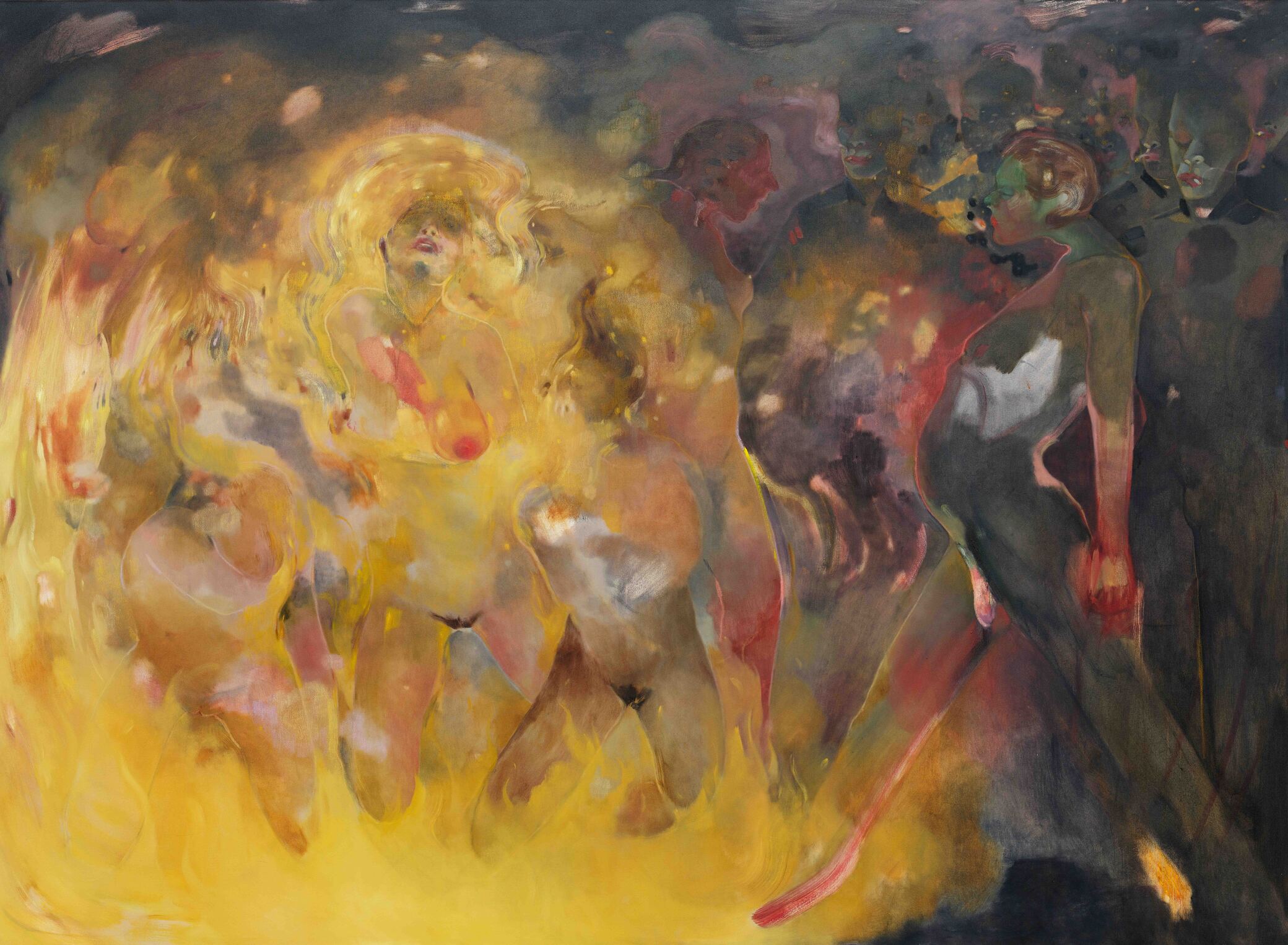
‘Who Am I When I Am With You’, in The Rite of Spring (ARKEN Museum of Contemporary Art, 2025), pp. 9–24.
‘Who Am I When I Am With You’, in The Rite of Spring (ARKEN Museum of Contemporary Art, 2025), pp. 9–24.
‘Who Am I When I Am With You’, in The Rite of Spring (ARKEN Museum of Contemporary Art, 2025), pp. 9–24.
Who Am I When I Am With You is a catalogue essay for The Rite of Spring at ARKEN Museum of Contemporary Art (2025). The text reflects on the “gap” between inner experience and identities formed through encounters with others, drawing on the choreography of Pina Bausch and Franz Schubert’s Schwanengesang. It explores the body as a site where emotional states, relational tensions, and the fragmentation of the self become visible.
Who Am I When I Am With You is a catalogue essay for The Rite of Spring at ARKEN Museum of Contemporary Art (2025). The text reflects on the “gap” between inner experience and identities formed through encounters with others, drawing on the choreography of Pina Bausch and Franz Schubert’s Schwanengesang. It explores the body as a site where emotional states, relational tensions, and the fragmentation of the self become visible.
Who Am I When I Am With You is a catalogue essay for The Rite of Spring at ARKEN Museum of Contemporary Art (2025). The text reflects on the “gap” between inner experience and identities formed through encounters with others, drawing on the choreography of Pina Bausch and Franz Schubert’s Schwanengesang. It explores the body as a site where emotional states, relational tensions, and the fragmentation of the self become visible.
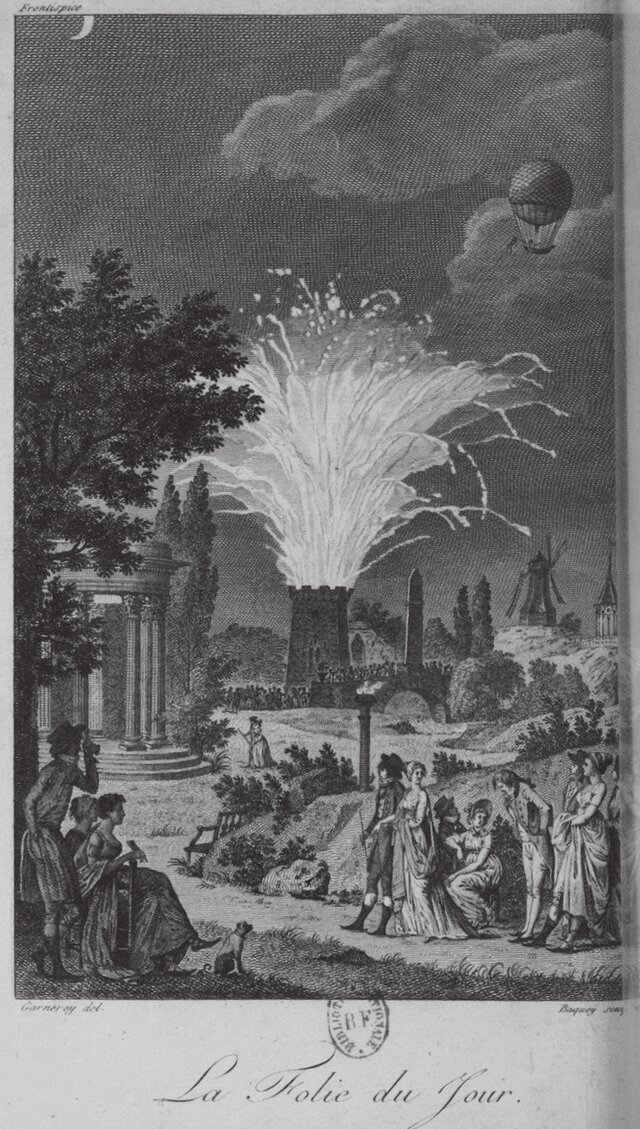
‘Tivoli: Negotiating Directory Society
in the Public Pleasure Garden 1797-
1798’, Documenta: Tijdschrift Voor Theater, XXXVIII 2020.2, pp. 64–91.
‘Tivoli: Negotiating Directory Society in the Public Pleasure Garden 1797-1798’, Documenta: Tijdschrift Voor Theater, XXXVIII 2020.2, pp. 64–91.
This article examines the public debates surrounding the Parisian Tivoli pleasure garden during the Directory (1797–1798), analysing how the space became a site for negotiating social identity, morality, and political culture in post-revolutionary France. Through a close reading of press commentary and polemical publications, it reconstructs the competing discourses that framed Tivoli as both a symbol of urban sociability and a locus of moral anxiety. By situating these debates within the broader cultural politics of the Directory, the article demonstrates how the pleasure garden functioned as a stage upon which contemporaries articulated—and contested—emerging models of public life.
This article examines the public debates surrounding the Parisian Tivoli pleasure garden during the Directory (1797–1798), analysing how the space became a site for negotiating social identity, morality, and political culture in post-revolutionary France. Through a close reading of press commentary and polemical publications, it reconstructs the competing discourses that framed Tivoli as both a symbol of urban sociability and a locus of moral anxiety. By situating these debates within the broader cultural politics of the Directory, the article demonstrates how the pleasure garden functioned as a stage upon which contemporaries articulated—and contested—emerging models of public life.